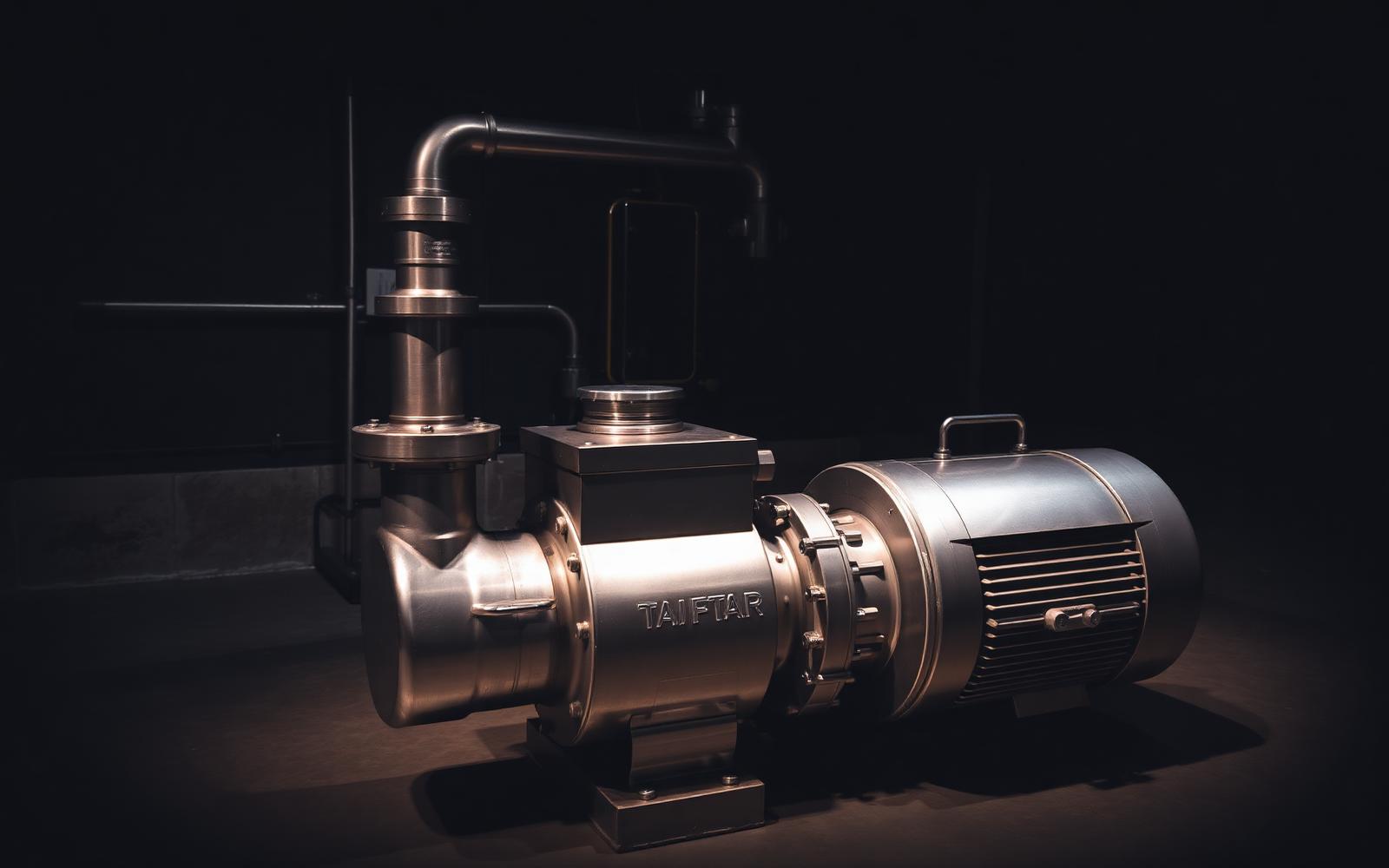
The five pool equipment failures we see every rainy season — and how to prevent them.
The rainy season on the Pacific coast does interesting things to pool equipment. Humidity climbs to ranges electronics were never specified for. Power events come through more frequently. Groundwater levels rise. Salt-laden air, already a constant on the coast, becomes a year-round constant rather than a seasonal one. Five failures, in roughly the order we see them.
01. Pump motor seizure from continuous operation through a wet-season power event. Costa Rican grid quality varies. A pump motor running through a spike or brownout can degrade insulation rapidly, and we have removed pumps in May whose motors were warm to the touch in February. Prevention: a properly specified surge protector on the pad, and a variable-speed pump that can be programmed to brief daily off-cycles instead of running continuously.
02. Salt cell calcification. Hard local water plus salt chlorination plus high temperatures plus low maintenance attention through the rainy months equals a cell that has lost half its output by November. The cell still appears to work — the chlorinator just runs longer to compensate. Prevention: visual inspection every 30 days, acid bath at the first sign of scale, and water hardness kept below 400 ppm with a softener if necessary.
03. Filter media collapse. Sand and DE filters left running through wet-season debris loads can pack to the point of channeling — water passes through without contacting media, chemistry destabilizes, and the surface clouds within days. Prevention: backwash on schedule (not on instinct), and a media replacement plan rather than waiting for failure.
04. Check valve leak-through. Cheap check valves are everywhere on this coast. They fail closed (no harm, just nuisance) or fail open, which means a heater or salt cell can drain back through the equipment overnight, leaving an air pocket that the pump cannot prime through in the morning. Prevention: spec valves for marine environments, replace at the first sign of seep.
05. Heater corrosion from low pH. The most expensive failure on the list. Heat exchangers in pool heaters do not tolerate prolonged exposure to acidic water. A pH that drifts to 6.8 for a few weeks while the owner is overseas can cost a copper heat exchanger entirely. Prevention: chemistry checked weekly in a logged record, and a pH controller on properties where the owner is away for stretches.
None of these failures are mysterious. They follow the same pattern: small symptoms ignored, then a larger symptom that arrives as a cost. The job of a competent service company is to catch the small symptoms.